



Practical Materials on Electronic Document Management Systems
Electronic document management involves not only the choice of software, but also the restructuring of familiar work processes. That is why, when transitioning to a digital format, it is important for companies to understand not only the capabilities of the platform, but also the specifics of its implementation, legislative requirements, and the principles of organizing document workflows.
The EDOLine blog was created as a practical platform for managers, accountants, lawyers, IT specialists, and employees participating in the digital transformation of business. We publish materials based on the real tasks of companies in our country. Our goal is to help readers make informed decisions and avoid common mistakes when choosing an EDM system in Uzbekistan. The publications cover various topics:
-
Practical recommendations on choosing solutions for companies of various scales.
-
An analysis of typical errors during the transition to digital processes and ways to prevent them.
-
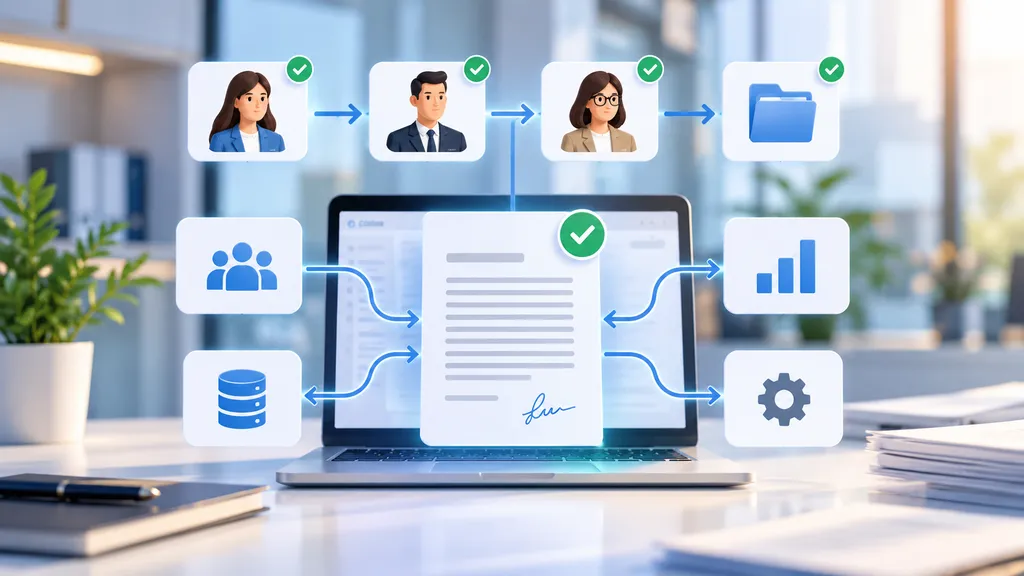
Explanation of the principles of organizing approval routes and internal interaction.
-
Reviews of legislative changes and requirements for working with electronic documents.
-
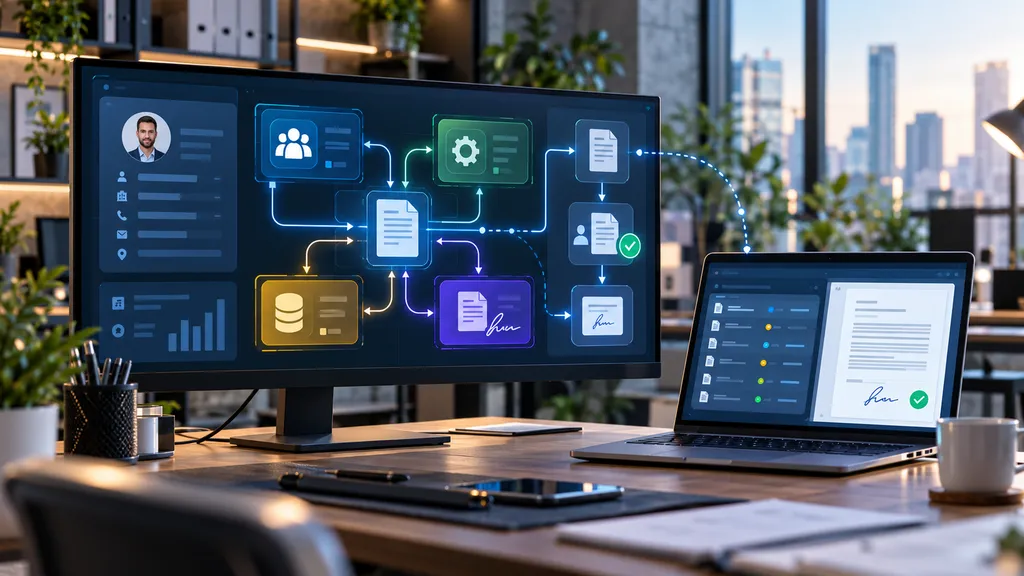
Analysis of platform integration capabilities with corporate information systems.
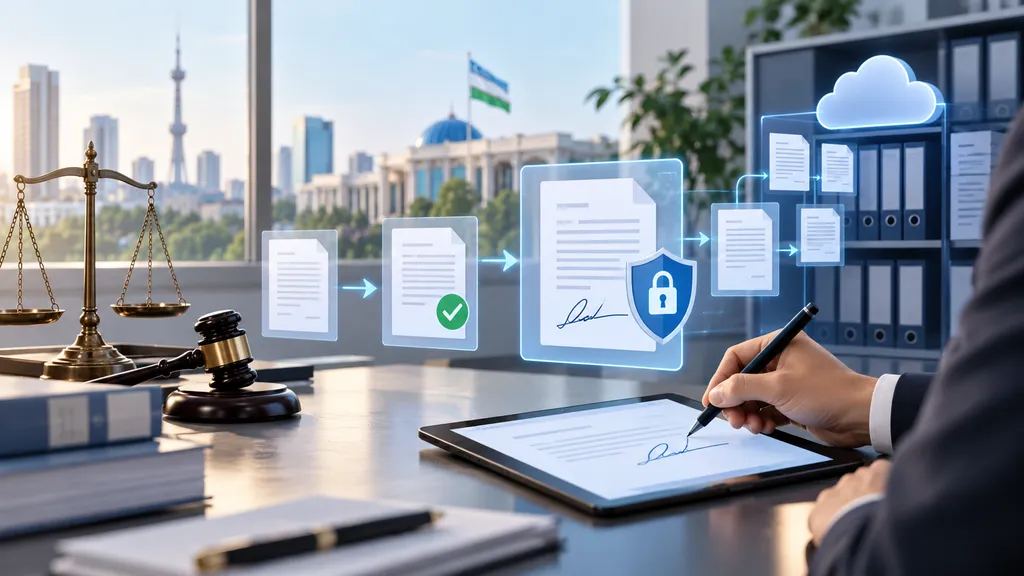
Special attention is paid to the comparison of electronic document management platforms, their capabilities, and selection criteria. We analyze how EDM operators work, how connection to the service occurs, what role EDO, the cloud, IMZO, and electronic signatures play, as well as what technologies are used for secure document exchange.
After getting acquainted with the materials, it is easier for the reader to assess the key aspects of a future project and prepare for its implementation without unnecessary expenditure of time.
Organization of Accounting and Document Movement in a Company
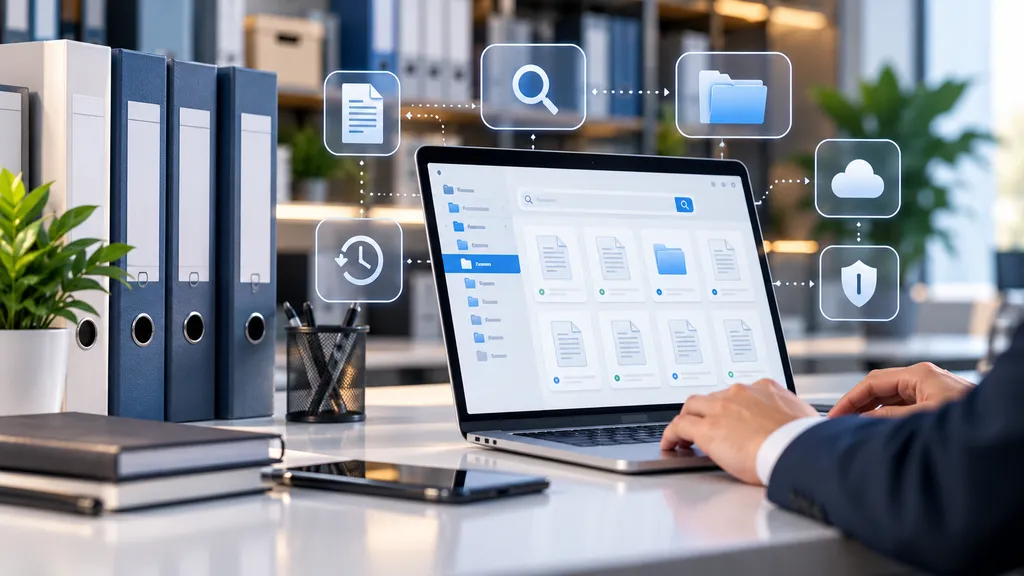
A separate section is devoted to issues that arise daily in the work of enterprises. We tell you how to organize document accounting so that each processing stage is transparent and controllable. The articles discuss in detail the procedures for creating, approving, registering, storing, and searching for documents.
It shows how the chronological order of storage is carried out, changes are fixed, case compilation, inventory, and archive maintenance are performed. Also in the blog, you can find articles with real examples of conducting business transactions and deals, maintaining accounting and tax records, preparing IFRS reporting, and other corporate processes.
How to Prepare a Company for the Implementation of Electronic Document Management
The transition to digital technologies requires preliminary preparation. Therefore, the blog materials help to understand what stages document management implementation includes and why it is better to implement changes in stages. We examine issues of analyzing existing workflow schemes, selecting a software solution, training personnel, and integrating with corporate systems.
Special attention is paid to how to organize the maintenance of electronic document management without interrupting the ongoing activities of the enterprise. The publications discuss in detail the following issues:
-
Analysis of existing document movement routes and their optimization.
-
Preparation of personnel for new rules of work and distribution of responsibilities.
-
Breaking the project into consecutive stages to reduce organizational risks.
-
Transferring paper document management to digital format while maintaining the continuity of business processes.
A number of other important topics for business can be added here. Such a sequence allows automating work gradually while maintaining the stability of the organization's activities.
Document Exchange with Counterparties and Capabilities of the EDOLine Service
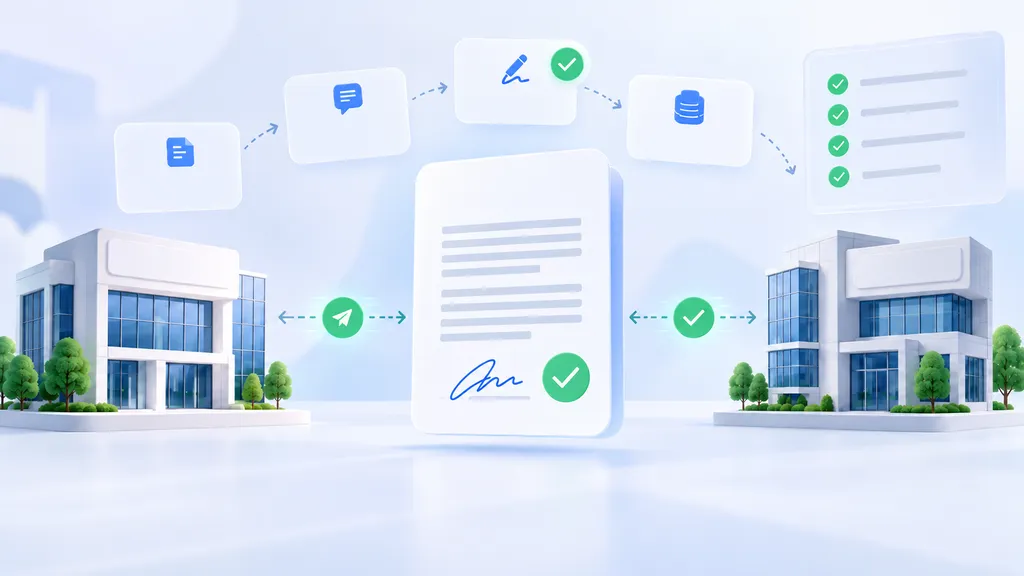
A separate part of the blog is dedicated to interaction with suppliers, customers, and partners. We explain how electronic document management with counterparties is organized, what documents can be signed with an electronic signature, and how the approval time between parties is reduced.
The publications also discuss issues of using E-IMZO, changes in the regulatory framework, and the practical experience of using electronic document management in Uzbekistan. Our electronic document management service helps to connect to the exchange of legally significant documents, simplifies the internal process of information processing, and allows using a unified approach to working with corporate documentation.